

Ayurveda on Sleep: The 6 Types of Nidra You Never Knew About
Introduction
– Charaka Samhita, Sutrasthana 21.55
Happiness or sorrow, nourishment or depletion, wisdom or delusion, life or death – all are rooted in sleep. This powerful verse from the Charaka Samhita reminds us that sleep, or Nidra, is not merely a pause button for the body. It is one of the three essential pillars of life in Ayurveda, alongside Ahara (diet) and Brahmacharya (mental and sensory regulation). But did you know there are different types of sleep?
At AYURnest, we often meet patients in Kolkata struggling with sleep issues – from insomnia to oversleeping – many unaware that Ayurveda offers detailed insight into not just how much you sleep, but what kind of sleep you experience.
What Is Nidra in Ayurveda?
Ayurveda teaches that healthy sleep doesn’t start when your head hits the pillow—it begins hours earlier, during Ratricharya, the nightly routine designed to slow down the senses and settle the doshas.
Nidra is not just unconsciousness. It is a state where the mind disengages from the senses, and the body shifts into restoration mode. This detachment is governed by the gunas (Sattva, Rajas, Tamas) and the doshas (Vata, Pitta, Kapha).
When both body and mind are exhausted, sattva guna (clarity) diminishes and tamas (inertia) rises, bringing on sleep. It is a physiological reset that restores tissues, balances doshas, and enhances ojas – the vital essence that supports immunity and clarity.
The Six Types of Sleep in Ayurveda
Ayurveda doesn’t look at sleep as a one-size-fits-all phenomenon. According to Charaka Samhita and further explained in the 2020 IJMHS journal paper ‘Concept of Nidra, here are the six types of Nidra:
1. Tamasi Nidra
This is not true rest. It’s sleep that arises from dullness (tamas)-typically after overeating, binge-watching TV, or eating heavy, fried foods late at night. It leads to grogginess, body aches, and mental confusion upon waking.
2. Manasika Shrama Ja Nidra – Sleep from Mental Overwork
Mental fatigue causes this form of sleep. People working high-pressure desk jobs or dealing with emotional stress often collapse into this state. However, the sleep may be disturbed and dream-heavy if Pitta is elevated.
3. Agantuki Nidra – Sleep Due to External Trauma
This is involuntary and abnormal sleep caused by head injury, drugs, alcohol, or sedatives. It doesn’t restore Ojas (vital energy) and often leaves the body depleted.
4. Vyadhi Ja Nidra – Sleep During Illness
Sleep becomes a coping mechanism here. It often accompanies fever, infections, or chronic fatigue. While partially restorative, it’s driven by the body’s need to fight disease and should be supported gently. The body uses this sleep to heal.
5. Swabhavika Nidra – Natural, Healthy Sleep
This is the gold standard: effortless, deep sleep arising at the right time, in alignment with the circadian rhythm (Kapha kala, i.e., 9-10 PM). It is balanced, sattvic, and nourishing-physically, mentally, and spiritually.
6. Sharirika Shrama Ja Nidra – Sleep from Physical Exhaustion
This is the kind of deep sleep one experiences after intense physical activity. It is short-term but restorative, governed by temporary Kapha elevation due to muscle fatigue.
| TYPE OF NIDRA | CAUSE | MODERN EQUIVALENT |
| TAMASI NIDRA | Due to dominance of Tamas guna | Oversleeping, lethargy, depression |
| SHARIRIKA SHRAMA JA | Due to physical fatigue | Post-exercise, labor fatigue |
| MANASIKA SHRAMA JA | Due to mental strain | Emotional burnout, overthinking |
| AGANTUKI NIDRA | Caused by external trauma or sedatives | Sleep due to accidents or medication |
| VYADHI JA NIDRA | Sleep due to illness | Sleep induced by fever, infections |
| SWABHAVIKA NIDRA | Natural, healthy sleep | Ideal, balanced, undisturbed sleep |
Sleep and Dosha Imbalance: A Deeper Lens
In Ayurveda, each dosha affects sleep differently. Each dosha influences how we sleep and what disturbs it:
- Vata: Causes insomnia, interrupted sleep, dreams involving fear or movement.
- Pitta: Causes difficulty falling asleep, night wakings, and intense, vivid dreams.
- Kapha: Causes excessive sleep, morning lethargy, and resistance to waking up.
Many patients with stress-related insomnia have elevated Vata, while Kapha-dominant individuals often struggle with oversleeping and sluggish mornings. Pitta types may burn the midnight oil but crash later in exhaustion.
Still don’t know what is a dosha? Read this to understand the basics of Ayurveda.
What Disturbs Sleep in Modern Life?
Modern routines are wildly incompatible with natural rhythms. Common lifestyle triggers for Nidra Vaishamya (sleep disorders) include:
– Excessive screen exposure
– Late-night eating
– Lack of physical activity
– Suppression of natural urges
– Noise pollution, caffeine, and anxiety.
These lead to dosha imbalances that interfere with Swabhavika Nidra.
How to Restore Healthy Nidra the Ayurvedic Way
Ayurveda offers a complete foundational system called Ratricharya – a step-by-step evening regimen that gently transitions the body from activity to rest. It begins post-sunset and includes diet, sensory withdrawal, self-care, and emotional unwinding.
- Eat a light dinner by 7:30 PM
- Avoid stimulants and screens after 9 PM
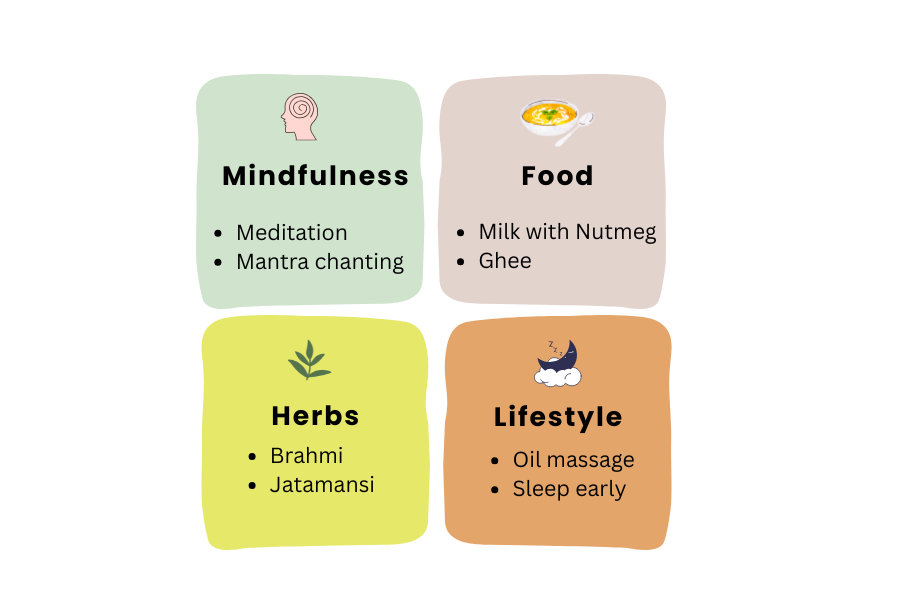
- Do Abhyanga (warm oil massage) 30-60 minutes before bed
- End the day with journaling, chanting, or Brahmavihara practice
- Drink a warm herbal infusion or warm milk if needed (e.g., Jatamansi, Brahmi)
- Sleep by 10 PM during Kapha Kala for maximum restoration.
We all have heard that drinking warm milk at night makes us sleep better. Is it true? Read a detailed analysis from Ayurvedic & Scientific point of view right here.
Final Thoughts: Not All Sleep Is Healing
Ayurveda teaches that sleep is not merely rest but a powerful mode of healing. Identifying your sleep type and aligning with your prakriti can bring transformative results. If your sleep feels disturbed, unrefreshing, or excessive, it’s worth investigating the underlying Ayurvedic cause.
If you’re unsure what your sleep is telling you, consult with an Ayurvedic doctor trained to read the signs. At AYURnest, we analyze your prakriti, dosha state, and sleep type to create a personalized restoration plan- without dependency on sedatives or modern sleep gimmicks.