Ayurvedic Treatment for Sciatica: Why Your Pain Keeps Returning (and What Actually Helps)
August 14, 2026
10 Myths About Ayurveda You Should Stop Believing
September 5, 2026
Panchakarma for Sciatica: 3 Ayurvedic Therapies That Work
Intro
Sciatica is a condition that causes sharp, radiating pain from the lower back down through the hips and legs. It typically occurs when the sciatic nerve is compressed due to conditions like a herniated disc, spinal degeneration, or muscle tightness. While modern treatments often rely on painkillers, physiotherapy, or even surgery, many people continue to experience recurring discomfort.
This is where Panchakarma for sciatica offers a fundamentally different approach.
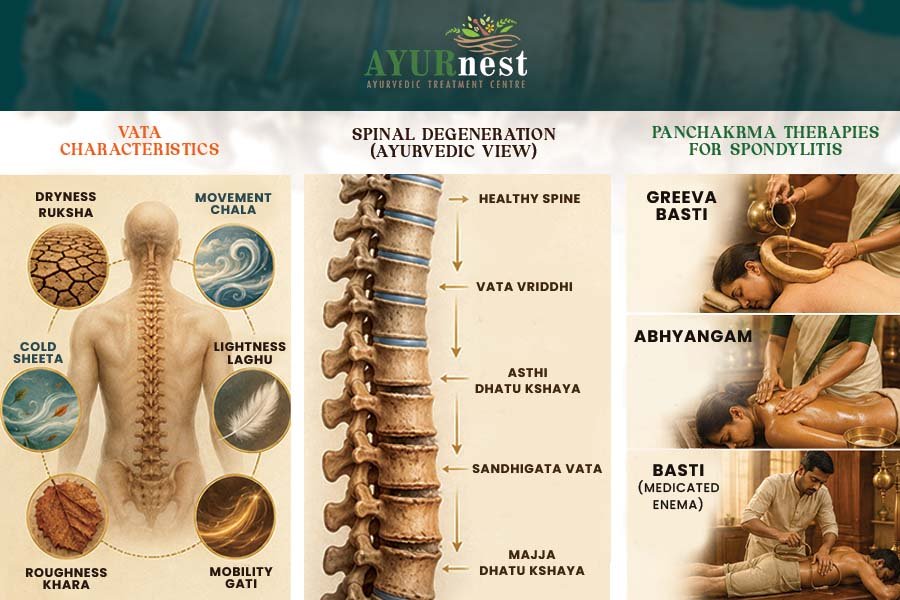
In Ayurveda, sciatica is known as Gridhrasi and is primarily caused by an imbalance of Vata dosha. This imbalance leads to dryness, degeneration, and impaired nerve function. Additionally, the accumulation of toxins (Ama) can block the body’s natural channels, worsening pain and inflammation.
Panchakarma, the cornerstone of Ayurvedic detoxification, works by addressing both these root causes – removing toxins and restoring Vata balance.
A complete Panchakarma program is carried out in three stages:
- Purva Karma (Preparation): Oil massage and sweating therapies to mobilize toxins
- Pradhana Karma (Main Treatment): Core detox procedures like Basti
- Paschat Karma (Recovery): Diet and lifestyle routines to rebuild strength and prevent relapse
Unlike temporary pain relief methods, Ayurvedic treatment for sciatica through Panchakarma focuses on long-term healing and prevention.
What is Panchakarma for sciatica?
Panchakarma for sciatica is an Ayurvedic detox treatment that helps relieve sciatic nerve pain by removing toxins (Ama), balancing Vata dosha, and improving nerve function. It uses therapies like Basti (medicated enema), Kati Basti (oil therapy), and Abhyanga (massage) to reduce inflammation, ease nerve compression, and support long-term healing.
Why Panchakarma Works for Sciatica
Before diving into therapies, it’s important to understand the logic.
In Ayurveda, sciatica (Gridhrasi) is primarily a Vata disorder, often combined with obstruction in nerve pathways.
Panchakarma helps by:
- Removing accumulated toxins (Ama)
- Restoring lubrication in joints and nerves
- Improving circulation
- Calming aggravated Vata
3 Powerful Panchakarma Therapies for Sciatica
1. Basti (Medicated Enema Therapy)
Basti is considered the most important therapy in Panchakarma for sciatica, as it directly addresses Vata imbalance. This therapy involves administering medicated oils or herbal decoctions through the rectum under expert supervision. While it may sound unusual, Basti is highly effective.
How Basti Reduces Sciatic Nerve Pain
- Lubricates dry and degenerated tissues
- Reduces inflammation around the sciatic nerve
- Strengthens the lower back and pelvic region
- Improves nerve conductivity and function
Clinical Evidence:
A published case study in the International Journal of Ayurveda and Pharma Research showed that a patient undergoing Panchakarma therapies including Basti experienced 68.75% improvement in symptoms and daily functioning.
Basti is considered the most important therapy in Panchakarma for sciatica, especially because it directly targets Vata dosha, which resides in the colon.
2. Kati Basti (Lower Back Oil Therapy)
Kati Basti is a localized therapy where warm medicated oil is retained over the lower back using a dough ring. This allows the oil to penetrate deeply into muscles, joints, and nerve pathways.
It is particularly effective for people with disc-related issues or chronic lower back pain.
Benefits of Kati Basti for Spine & Nerve Compression
- Relieves stiffness and tightness in the lumbar region
- Improves blood circulation to the spine
- Reduces nerve compression and inflammation
- Promotes healing of damaged tissues
Clinical Evidence:
A study published on PubMed Central involving 90 patients showed that Kati Basti significantly reduced pain and improved function in sciatica cases over a 14-day treatment period.
Another comparative trial found Kati Basti effective in managing Gridhrasi, showing measurable improvements in pain and mobility.
Among the most recommended therapies in sciatica treatment in Ayurveda, Kati Basti benefits extend beyond pain relief to structural support and recovery.
3. Abhyanga + Swedana (Therapeutic Oil Massage & Herbal Steam)
How These Therapies Relieve Muscle Stiffness & Improve Circulation
(These therapies are widely used to reduce pain, stiffness, and nerve pressure in sciatica)
This combination therapy forms the preparatory stage of Panchakarma but is also highly therapeutic on its own.
- Abhyanga: A full-body massage using warm herbal oils
- Swedana: Herbal steam therapy that follows the massage
Together, they prepare the body for detox while relieving muscular tension.
How These Therapies Relieve Muscle Stiffness & Improve Circulation
- Loosen tight muscles that may be compressing the sciatic nerve
- Enhance blood flow and oxygen supply to tissues
- Reduce heaviness and stiffness in the body
- Help mobilize toxins for elimination
Panchakarma is not about isolated treatments-it’s a sequence.
Typical flow:
- Oil therapy (Abhyanga) helps to loosen tissues
- Steam therapy (Swedana) opens channels
- Basti deeply corrects Vata imbalance
These therapies are widely used to reduce pain, stiffness, and nerve pressure in sciatica, making them essential in any Ayurvedic treatment for sciatica.
When to Do Panchakarma for Sciatica
Ideal Stage of Sciatica for Panchakarma
Panchakarma for sciatica is most effective in:
- Chronic or recurring sciatica
- Post-surgical cases where pain persists
- Conditions involving stiffness, dryness, and degeneration
Early intervention can prevent progression, but even long-standing cases can benefit significantly.
Acute vs Chronic Sciatica – What’s Recommended
- Acute stage (severe pain): Gentle therapies like Abhyanga and mild Swedana are preferred initially
- Chronic stage: Full Panchakarma, especially Basti, is highly effective
An Ayurvedic doctor customizes the approach based on pain intensity and patient condition.
Seasonal Timing (Why Ayurveda Recommends Certain Seasons)
Ayurveda recommends detox therapies during seasonal transitions, particularly:
- Monsoon (Varsha Ritu): Ideal for Vata disorders
- Early winter: Supports strength and recovery
However, Panchakarma for sciatica can be done year-round under medical supervision.
Signs You Need Detox (Ama Build-Up Indicators)
- Heaviness in the body
- Poor digestion or bloating
- Persistent stiffness
- Fatigue and low energy
These signs indicate toxin accumulation, making Panchakarma highly beneficial.
Benefits of Panchakarma for Sciatica
- Pain Relief Without Surgery : One of the biggest advantages of Panchakarma for sciatica is that it offers relief without invasive procedures.
- Reduces Inflammation & Nerve Compression : Herbal oils and detox therapies help reduce swelling and pressure on the sciatic nerve.
- Improves Mobility & Flexibility : Regular therapy improves joint movement and reduces stiffness, helping patients return to daily activities.
- Prevents Recurrence by Balancing Vata : Unlike temporary treatments, Ayurveda focuses on correcting the root imbalance, ensuring long-term relief.
Is Panchakarma effective for sciatica?
Yes, Panchakarma is effective for sciatica, especially in chronic cases, as it addresses the root cause by balancing Vata dosha, reducing inflammation, and improving nerve health through therapies like Basti and Kati Basti.
Panchakarma Treatment Duration & What to Expect
Typical Treatment Timeline (2–5 Weeks)
A standard Panchakarma for sciatica program lasts:
- 2–3 weeks for mild cases
- 3–5 weeks for chronic conditions
However, the above timelines are just ballpark. Each case depends on various factors like severity, duration of condition and continuity of the therapies.
Step-by-Step Panchakarma Process
- Consultation & Diagnosis
- Preparation (Abhyanga + Swedana)
- Main Therapies (Basti, Kati Basti)
- Recovery & Diet Plan
Pre & Post-Therapy Guidelines
- Follow a light, warm, Vata-pacifying diet
- Avoid cold exposure and heavy physical strain
- Maintain consistency for best results
Who Should Avoid Panchakarma
Contraindications & Safety Considerations
Panchakarma may not be suitable for:
- Pregnant women
- Extremely weak or elderly individuals (without modification)
- Certain acute medical conditions
Importance of Doctor Supervision
All therapies should be done under expert guidance. Self-administered or improperly done treatments can worsen symptoms.
Panchakarma for Sciatica in Kolkata
Availability of Ayurvedic Clinics & Therapies
Kolkata has a growing number of Ayurvedic centers offering specialized Panchakarma for sciatica, combining traditional therapies with modern diagnostics.
How to Choose the Right Panchakarma Center
- Qualified Ayurvedic doctors
- Customized treatment plans
- Hygienic therapy setup
- Authentic herbal oils and medicines
What to Check Before Starting Treatment
- Proper diagnosis of your condition
- Clear explanation of therapies
- Realistic treatment duration
- Post-treatment support
If you are looking for Panchakarma in Kolkata, choosing the right clinic is essential for safe and effective results.
Conclusion
Panchakarma for sciatica offers a holistic, root-cause approach to healing that goes beyond temporary pain relief. By detoxifying the body, nourishing the nervous system, and restoring balance, it helps not only reduce pain but also prevent recurrence.
Whether you’re dealing with chronic discomfort or exploring alternatives to surgery, Ayurvedic treatment for sciatica through Panchakarma can be a safe, effective, and long-term solution—especially when guided by experienced practitioners.
Sciatica pain isn’t just about nerve compression—it’s often a deeper imbalance that keeps coming back despite medication.
This is where Panchakarma, Ayurveda’s detox and therapeutic system, offers a different approach.
Instead of only managing pain, it works to:
- Reduce inflammation
- Nourish affected tissues
- Correct underlying Vata imbalance
Consult at AYURnest
At AYURnest, Panchakarma for sciatica is:
- Personalised based on your condition
- Conducted in a dedicated Panchakarma setup
- Supervised by experienced Ayurvedic doctors
Each treatment plan is designed to:
- Reduce pain
- Restore function
- Prevent recurrence
If your sciatica keeps returning, it may be time to treat the root cause, not just the symptom
FAQs
Is Panchakarma safe for sciatica?
Yes, when done under professional supervision, it is safe and effective.
Which therapy is best for sciatica?
Basti is considered most important, but results come from a combination approach.
Can Panchakarma replace surgery?
In many cases, yes—but severe conditions require proper medical evaluation.