Ayurvedic Treatment for Spondylitis: A Complete Guide to Natural Spine Healing
July 15, 2026
Why Spondylitis is a Vata Disorder: Ayurvedic Explanation of Chronic Back Pain
July 15, 2026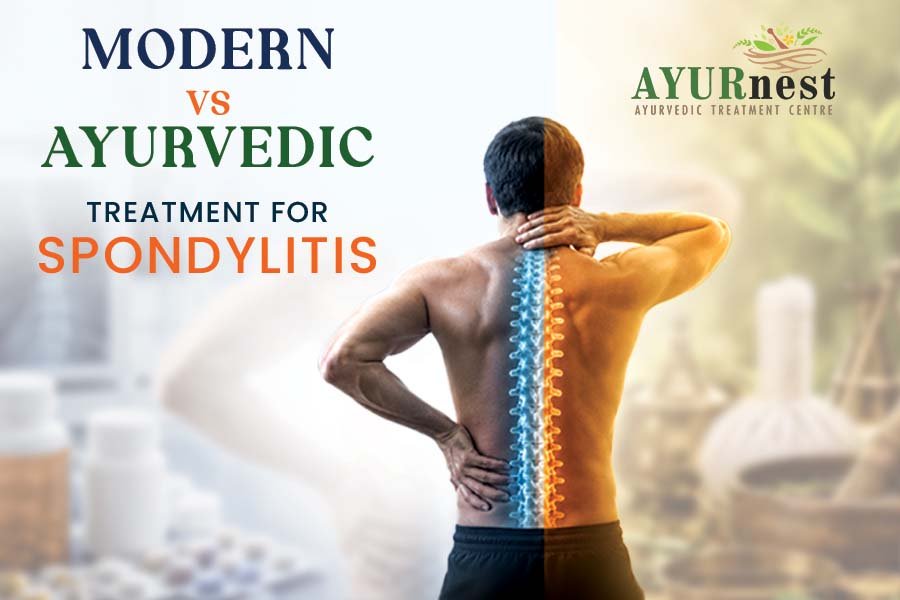
Modern vs Ayurvedic Treatment for Spondylitis in Kolkata: What Works Long-Term?
Why Spondylitis is Increasing in Kolkata’s Population?
Spondylitis is a growing concern among working professionals, especially in fast-paced cities like Kolkata where long hours, poor posture, and stress contribute to chronic neck and back pain.
When it comes to treatment, patients are often faced with a choice: modern medicine for quick relief or Ayurveda for long-term healing.
Both systems offer valuable approaches but they differ significantly in how they understand and treat the condition.
This raises an important question:
Which approach works better in the long run for managing spondylitis?
How Modern Medicine and Ayurveda Treat Spondylitis Differently
Modern Medicine Approach
Modern medicine focuses on symptom management and structural diagnosis.
Common treatments:
· Painkillers (NSAIDs)
· Muscle relaxants
· Physiotherapy
· Steroid injections
· Surgery (in advanced cases)
Strength: Fast relief, especially in acute pain
Limitation: Does not always address underlying degeneration or recurrence
Ayurvedic Approach
Ayurveda views spondylitis as a Vata disorder affecting spine tissues (Asthi & Majja dhatu).
Treatment includes:
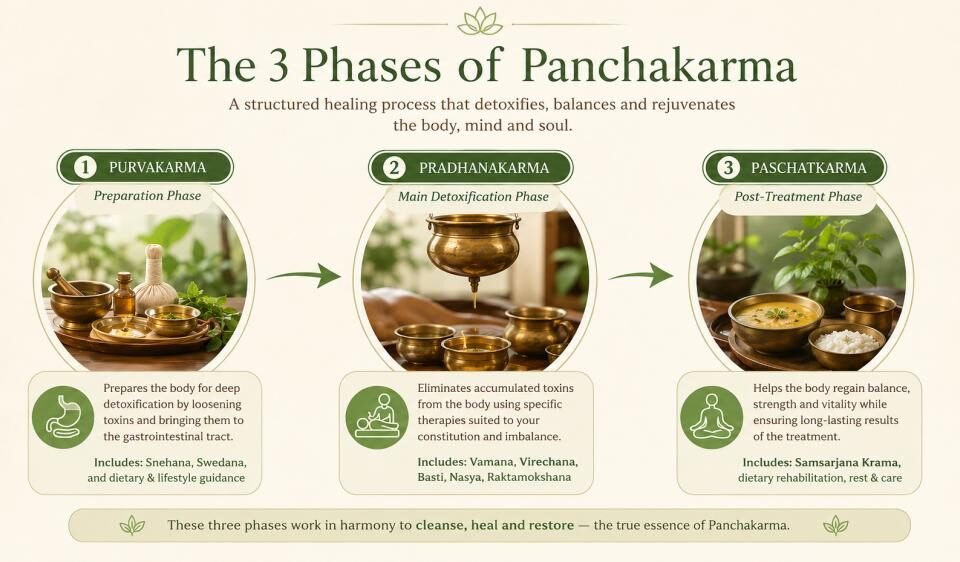
1.Panchakarma Therapies for Spine Health
- Basti, Abhyanga
- Local treatments (Kati Basti, Greeva Basti)
- Herbal Support for Vata Balance (Ashwagandha, Guggulu)
2.Diet & lifestyle correction
Ayurvedic management also emphasizes correcting diet, lifestyle, posture, daily routines, and other factors that may contribute to recurring symptoms.
Ayurveda vs Modern Medicine: Key Differences in Spondylitis Treatment
| Factor | Modern Medicine | Ayurveda |
| Focus | Symptom relief | Root cause (Vata balance) |
| Speed | Fast | Gradual |
| Approach | Disease-centered | Holistic |
| Recurrence | Common | Lower (with lifestyle) |
| Side Effects | Possible (long-term meds) | Minimal (if supervised) |
| Sustainability | Short-term relief | Long-term healing |
Which Treatment Works Better for Long-Term Relief in Spondylitis?
This is where most discussions become biased but a realistic view considers the strengths of both systems.
A Balanced Approach to Spondylitis Treatment:
- For acute pain episodes, modern medicine is often necessary and effective.
Clinical guidelines for low back pain management emphasize the use of NSAIDs, physical therapy, and short-term interventions to quickly reduce pain and improve mobility (Qaseem et al., American College of Physicians, 2017).
- For chronic and recurring spondylitis, Ayurveda offers a more sustainable path.
A study published in the Journal of Ayurveda and Integrative Medicine found that Ayurvedic Panchakarma treatments led to significant improvements in pain intensity, functional ability, and quality of life in chronic low back pain patients (Telles et al., 2020).
- Additional research suggests that integrative approaches combining conventional care with traditional therapies can improve long-term outcomes and reduce dependency on pain medication (Tick et al., National Academies of Sciences, 2018).
Key Takeaway:
In many cases, an integrative approach – combining short-term relief from modern medicine with long-term Ayurvedic management is the most practical and effective solution.
Why This Matters
- Modern medicine helps control pain quickly
- Ayurveda helps correct underlying imbalance and prevent recurrence
- Together, they create a continuum of care, rather than a temporary fix
Why More People in Kolkata Are Choosing Ayurveda for Spondylitis?

In Kolkata, lifestyle patterns are increasingly contributing to spine-related disorders:
- Long sitting hours
- Stress and irregular routines
- Limited physical activity
- Early onset of back pain: Research indicates that nearly 1 in 3 adults in urban India experiences chronic back pain, with a growing number under 40
Why Ayurveda Is Gaining Popularity in Kolkata
Faced with recurring pain and dependence on painkillers, many people are now looking beyond short-term fixes. This has led to a noticeable shift toward holistic healing systems.
In Kolkata, there is a rising demand for:
- Ayurvedic treatment for spondylitis in Kolkata
- Panchakarma therapies for chronic back and neck pain
- Drug-free, non-invasive healing approaches
The Ayurveda Advantage: Treating the Root Cause
Unlike conventional approaches that primarily focus on inflammation and pain relief, Ayurveda connects spondylitis with Vata imbalance, poor digestion (Agni), and toxin accumulation (Ama), all of which are influenced by modern lifestyle patterns.
“Ayurveda doesn’t just treat the spine – it treats the system that led to the problem.”
This resonates strongly with Kolkata’s urban population, where stress, diet, and routine are deeply intertwined with health issues.
Why This Matters for Long-Term Relief
- Personalized care: Treatments are tailored to your body type (Prakriti) and condition
- Lifestyle correction: Focus on posture, daily routine, and diet—not just medication
- Reduced dependency on drugs: Especially important for those managing chronic pain
- Holistic recovery: Addresses both physical and systemic imbalances
A Growing Mindset Shift
There’s a clear transition happening – from quick fixes to sustainable healing.
In Kolkata, more people are now open to combining modern diagnostics with traditional therapies. Ayurveda fits naturally into this mindset by offering a balanced, long-term approach to managing spondylitis – one that aligns with both science and lifestyle realities.
When to Choose Modern Treatment vs Ayurveda for Spondylitis
Choose Modern Medicine When:
- Pain is severe or sudden, limiting movement or daily function
- There is nerve compression, causing numbness, tingling, or weakness in the arms or legs
- You need immediate relief to manage acute inflammation or flare-ups
- Diagnostic clarity is required, such as MRI or imaging to assess structural damage
In such cases, allopathic care provides fast-acting relief and critical intervention.
Choose Ayurveda When:
Ayurveda becomes especially valuable when the condition is ongoing and rooted in lifestyle patterns.
- Pain is chronic or keeps recurring, despite medication
- You want to reduce dependence on long-term painkillers
- You’re looking for holistic healing, addressing the root cause
- Lifestyle factors (stress, posture, diet) are contributing to your condition
- You prefer natural, non-invasive therapies
Ayurveda focuses on restoring balance through therapies like Panchakarma, herbal support, and daily routine correction – making it ideal for sustainable recovery.
Choosing the Right Spondylitis Treatment in Kolkata
Spondylitis is not just a structural issue, it is often the result of long-term imbalance, lifestyle strain, and degeneration.
Modern medicine plays a crucial role in managing acute symptoms, while Ayurveda focuses on restoring balance and preventing recurrence.
For individuals seeking a sustainable solution, Ayurvedic treatment for spondylitis in Kolkata offers a comprehensive path – combining therapies, herbal support, and lifestyle correction.
FAQ’s
What is the best long-term treatment for spondylitis?
There is no one-size-fits-all answer. For long-term management, a combination of approaches works best. Modern medicine helps control acute inflammation and pain, while Ayurvedic treatment focuses on correcting the root imbalance, improving mobility, and preventing recurrence. Many patients benefit from an integrative approach that combines both systems.
Can Ayurveda cure spondylitis permanently?
Ayurveda does not claim an instant “cure,” but it aims at long-term management and symptom reduction. Therapies such as Panchakarma, herbal formulations, and lifestyle changes can significantly reduce pain, stiffness, and flare-ups over time, especially in chronic cases.
Is Ayurvedic treatment for spondylitis effective in Kolkata?
Yes, Kolkata has a strong tradition of authentic Ayurvedic care. Many patients seek Ayurvedic treatment in Kolkata for spondylitis due to personalized therapies, experienced practitioners, and access to classical Panchakarma treatments that support long-term relief.
Which is safer: Ayurveda or modern medicine for spondylitis?
Both have their place. Modern medicine is highly effective for rapid pain relief but may have side effects with prolonged use (e.g., NSAIDs). Ayurveda generally focuses on natural therapies and lifestyle correction, making it safer for long-term use when guided by a qualified practitioner.
How long does Ayurvedic treatment take to show results?
Results vary depending on the severity and duration of the condition. Some patients notice improvement within a few weeks, but consistent treatment over 2–3 months is typically needed for significant and lasting relief.
Can I combine Ayurvedic and allopathic treatment for spondylitis?
Yes, and in many cases, it is recommended. An integrative approach—using modern medicine for immediate symptom control and Ayurveda for long-term healing—often provides the best outcomes. However, this should always be done under professional supervision.
What are the common Ayurvedic therapies used for spondylitis?
Common treatments include:
- Panchakarma detox therapies
- Abhyanga (medicated oil massage)
- Swedana (herbal steam therapy)
- Basti (medicated enema therapy)
- Herbal formulations to balance Vata dosha
These therapies aim to reduce inflammation, improve flexibility, and restore balance in the body.
When should I see a doctor for spondylitis symptoms?
You should consult a doctor if you experience:
- Persistent back or neck pain lasting more than a few weeks
- Morning stiffness that improves with movement
- Reduced mobility or posture changes
- Pain that disrupts sleep
Early diagnosis and treatment can prevent complications.
Is spondylitis reversible?
While structural changes in advanced cases may not be fully reversible, symptoms can be effectively managed. With the right treatment approach—especially early intervention—patients can lead a normal, active life.
Why is Kolkata becoming a hub for Ayurvedic spondylitis treatment?
Kolkata combines traditional Ayurvedic expertise with modern healthcare awareness. Patients are increasingly choosing the city for holistic, cost-effective, and personalized care options that focus on long-term wellness rather than just symptom control.