Understanding Prakriti: Foundation of Ayurveda
October 15, 2024
Ayurveda on Drinking Milk at Night: Pros, Cons & Scientific Truths
July 3, 2025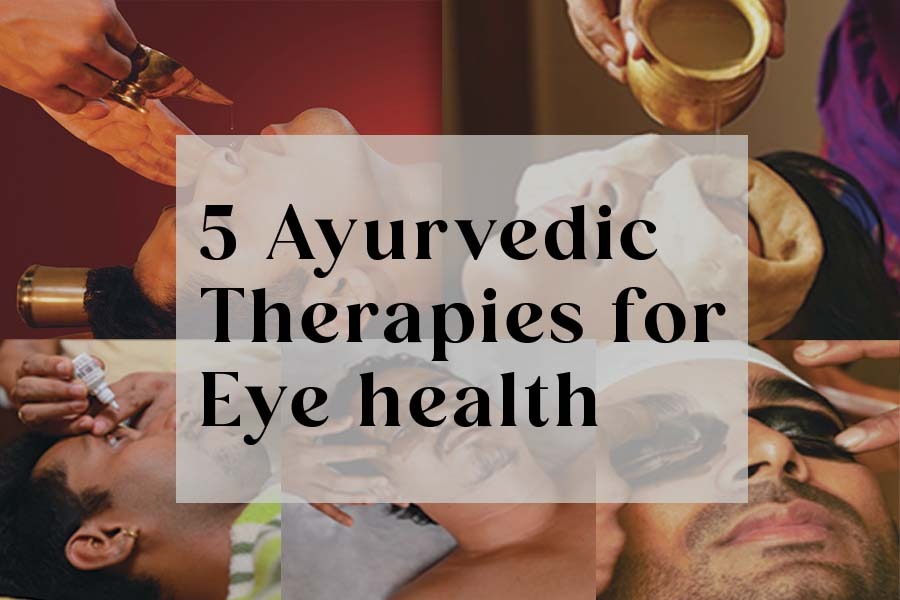
5 Proven Ayurvedic Panchakarma Therapies for Eye Treatment in Kolkata: Beyond Temporary Drops
Ayurvedic Eye Treatment in Kolkata is often sought when complaints begin to feel repetitive:
“My eyes feel tired all the time.”
“There’s constant dryness.”
“They burn by evening.”
“I use drops daily, but it keeps coming back.”
Our eyes are constantly under stress given the screen exposure, pollution and irregular routines. In Ayurveda, the eyes are governed by Alochaka Pitta and reflect deeper imbalance long before structural changes appear. Rather than focusing only on symptom relief, Ayurvedic eye care aims to restore balance across body systems while also nurturing the tissues directly.
In clinical practice, eye care falls under Netra Chikitsa, and several specialised Panchakarma therapies are used depending on the condition. These time-tested procedures are described in classical texts like Sushruta Samhita . They are highly customized and most effective when conducted under the supervision of an experienced Ayurvedic therapist, especially in cities like Kolkata, where authentic Ayurveda maybe a rarity.
1. Netra Tarpana: Deep Nourishment
Netra Tarpana also known as Akshay Tarapana is among the most well-studied and widely practised Ayurvedic eye therapies. In this procedure, medicated ghrita (herbal ghee) is retained over the eyes inside a carefully shaped dough boundary for a prescribed duration.
You can read here in detail about the Akshi Tarpan therapy at AYURnest.
Why it works:
- Ghee is a nourishing medium that supports tissue homeostasis and Drishti Prasadana (clarity of vision).
- It may improve tear film stability and reduce dryness by supporting lipid and mucin layers of the ocular surface, comparable to conventional tear substitutes but with deeper tissue nutrition.
Clinical uses:
• Chronic dryness and irritation
• Digital eye strain and fatigue
• Early degenerative eye changes
• Supportive management alongside comprehensive Ayurvedic eye treatment plans
Netra Tarpana is not a quick cosmetic therapy. A recent literature analysis discusses the classical basis, indications, mechanisms, and clinical relevance of Tarpana therapy in managing eye disorders and promoting eye rejuvenation.

2. Aschyotana: Medicated Eye Drops
Aschyotana involves using medicated herbal drops into the eyes. Unlike OTC drops, these are chosen based on specific dosha imbalance (Vata, Pitta, or Kapha) and may include herbal decoctions that gently soothe irritation, flush superficial congestion, and support tear health.
This therapy is particularly useful in:
• Acute irritation
• Mild inflammatory states
• Environmental irritation episodes
3. Anjana: Collyrium Applications
Anjana therapy uses medicated herbal powders or pastes applied along the inner eyelid margin. Traditionally categorised as Lekhana (cleansing), Ropana (healing), or Prasadana (rejuvenative), Anjana may help address early imbalances and maintain ocular comfort over time. Netra Anjana is a premier Ayurveda Kriyakalpa (topical therapy) for maintaining Netra Swasthya (eye health), offering both preventive and curative benefits.
In classical practice, Anjana helps to:
• Support clearing of superficial toxins
• Mitigate mild redness and itching
• Act as a preventive routine in busy, screen-intensive lifestyles.
4. Bidalaka: Herbal Paste Therapy for External Comfort
Bidalaka involves applying herbal pastes over the closed eyelids. The therapy is particularly indicated in acute burning, inflammatory conditions, and irritation due to environmental factors.
This external application lends immediate calming support around the orbital region when used appropriately.
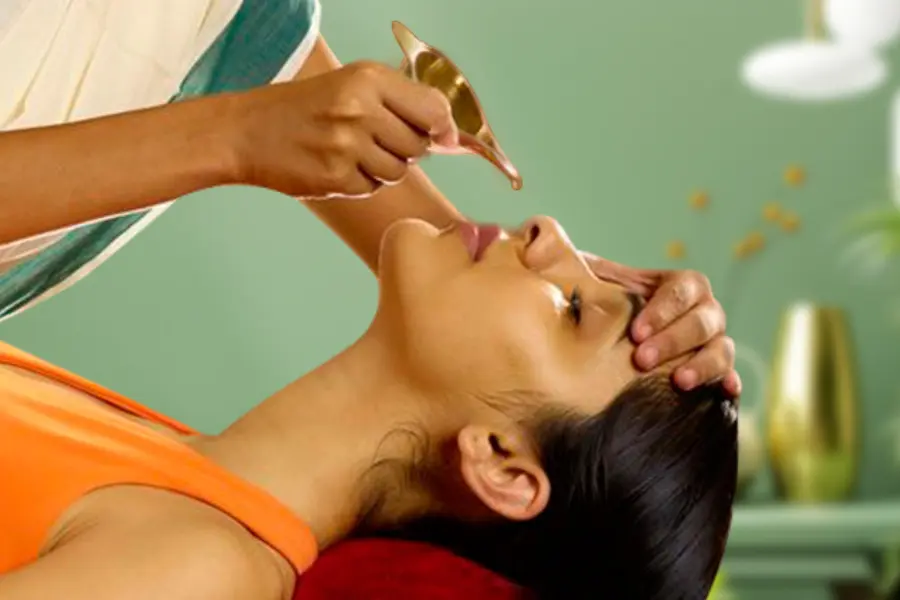
5. Nasya: Nasal Therapy for Head and Vision Balance
Though not an ocular surface therapy , Nasya (medicated nasal administration) is considered important in Ayurvedic eye care. By balancing doshas in the head region, Nasya can improve circulation and neural support that indirectly influence tear stability and muscular endurance of the eye region.
Modern exploratory studies suggest integrating nasal therapy with other Ayurvedic eye procedures may help manage dysfunctions like Meibomian gland issues, which are common contributors to dryness and ocular discomfort.

When Panchakarma Becomes Relevant
Not every eye concern needs a procedure.
But in chronic cases where dryness, burning, or strain keeps returning – deeper therapies may be advised.
Netra Tarpana, for example, nourishes the eyes with medicated ghee in a structured way.
Bidalaka is used more in inflammatory conditions.
Nasya may support circulation to the head and eyes.
These are not spa treatments. They are chosen carefully, based on constitution, season, and strength of the individual.
A Thoughtful Approach to Eye Care
Move over from getting prescribed the typical eye drops and told to wear to specs. Ayurvedic Panchakarma therapies for the eyes mentioned above are not one-size-fits-all remedies. They are carefully chosen based on individual imbalance, constitution, clinical indication, and lifestyle context.
At AYURnest Ayurveda, Ayurvedic eye treatment in Kolkata is approached with that same classical clarity. Therapies are not prescribed by trend or popularity, but by indication. Some individuals require nourishment. Others require heat reduction. A few require systemic correction before any local therapy is performed.
This is the discipline of Netra Chikitsa delivering steady, sustainable, and deeply restorative results.

At AYURnest, we help you personalize your routine based on your prakriti, current imbalances, and lifestyle.
Explore our Ayurvedic therapies for insomnia and stress
Consult our doctors for a constitution-based sleep protocol
Experience the calming effects of Abhyanga, Nasya, and Shirodhara—rituals that deepen Nidra the Ayurvedic way
Book your consultation today or visit us at AYURnest, Kankurgachi, Kolkata.
Prefer a quick tip? DM us on Instagram @theayurnest with your concern and get Ayurvedic advice tailored to you!